Panniculectomy Upland, CA
Remove Heavy, Overhanging Abdominal Tissue With a Panniculectomy to Improve Comfort, Mobility, and Lower-Abdominal Contour.

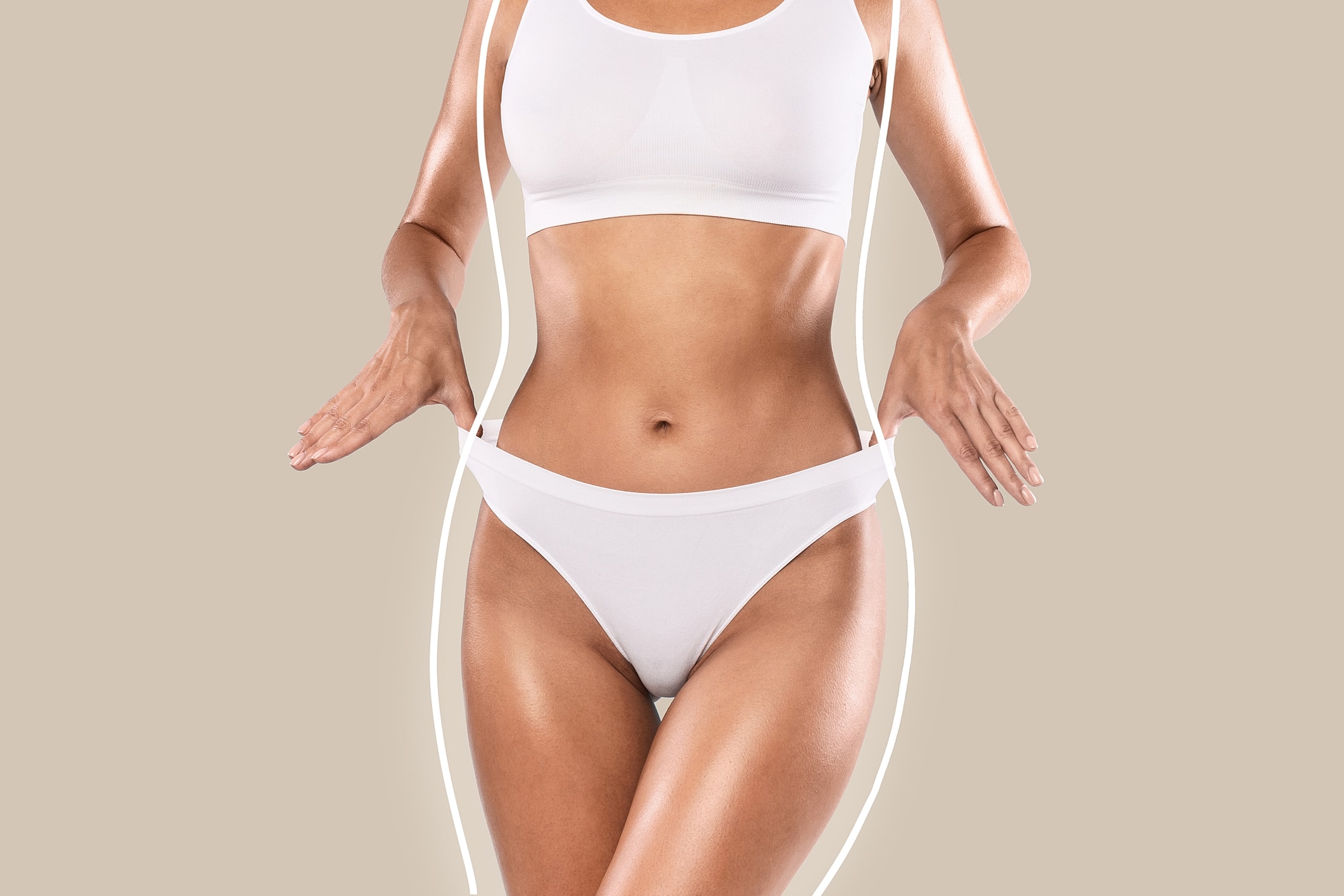
Remove Heavy, Overhanging Abdominal Tissue With a Panniculectomy to Improve Comfort, Mobility, and Lower-Abdominal Contour.
Greater Comfort, Refined Contours
After major weight loss, pregnancy, or other changes, loose skin can hang down over the lower abdomen instead of just appearing loose. This fold of skin and fat, known as a pannus, can make hygiene harder and make movement less comfortable. At Face N Body Aesthetics & Plastic Surgery in Upland, CA, board-certified plastic surgeons Dr. Edward Park and Dr. Alex Cheah offer a personalized approach to panniculectomy and body contouring. They serve patients across the Inland Empire and take into account your health, weight stability, symptoms, body shape, and possible scars before recommending surgery.

Removing Excess
A panniculectomy removes extra skin and fat that hangs from the lower abdomen, sometimes reaching over the pubic area. It’s not a weight loss surgery and usually doesn’t tighten weak or separated abdominal muscles.
This difference is important. A tummy tuck, also called abdominoplasty, removes extra skin and also tightens the abdominal muscles and shapes the waist. Panniculectomy mainly removes hanging skin and fat. Stretch marks in the removed skin may go away, but the procedure does not treat stretch marks in other areas.
Beyond Appearance
A larger pannus may contribute to:
For many people, removing extra skin makes daily care and movement easier. While diet and exercise can help reduce body fat, they cannot bring back the shape of severely stretched abdominal skin.
Improved Daily Comfort
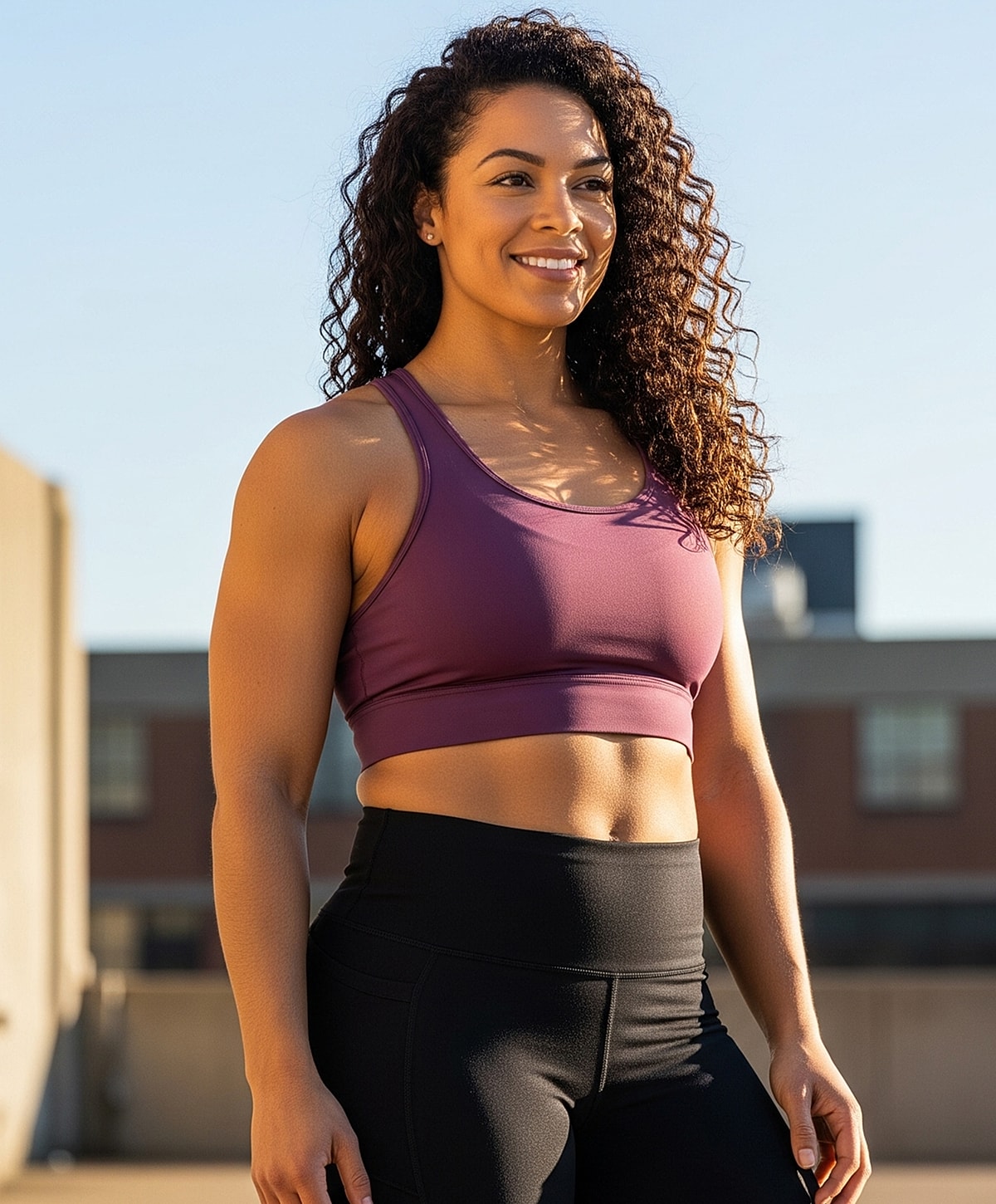
Panniculectomy removes heavy tissue that can make daily life harder and helps create a smoother lower abdomen. Many people find it easier to keep the area clean and dry, exercise, and wear clothes without a large fold of skin in the way.
The Right Timing
Good candidates usually have a large lower-abdominal pannus, are healthy, keep a stable weight, do not smoke, and have realistic expectations. Timing is important because losing more weight later can change the final results. We recommend keeping your weight stable for about 6 to 12 months after weight loss before having body contouring. Your surgeon will help decide the best timing for you.
If you’re not sure whether your main concern is extra skin, weak abdominal muscles, or both, a consultation can help you find out. Your surgeon can then recommend panniculectomy, tummy tuck, or another procedure that fits your needs.
Choosing the Right Approach
Panniculectomy | Tummy Tuck | |
|---|---|---|
| Primary goal | Remove a hanging pannus | Reshape and tighten the abdomen |
| Excess skin | Yes | Yes |
| Muscle repair | Typically no | Can repair separated muscles |
| Contour focus | Hanging lower-abdominal tissue | More comprehensive abdominal contouring |
| Insurance | May qualify in some medically necessary cases | Usually cosmetic |
A panniculectomy removes hanging tissue. A tummy tuck is a better choice if you also need to tighten loose muscles and improve the shape of your abdomen. Some people may need both procedures, while others need only one.
When Function Comes First
Panniculectomy may be performed for functional, cosmetic, or combined reasons. Chronic rashes, recurrent infections, skin breakdown, hygiene difficulty, and impaired mobility may be relevant when an insurance provider reviews medical necessity.
Insurance coverage is not guaranteed. Requirements depend on your insurance company and policy. If you are considering using insurance, check your benefits and talk with your provider about what documents you need before surgery.

Careful Surgical Planning
Before a panniculectomy, your surgeon will review your medical history, any previous abdominal surgeries, medications, weight changes, and how much skin and fat will be removed. You may need to adjust some medicines or blood thinners and stop eating before anesthesia, following your pre-op instructions.
The surgeon makes an incision across the lower abdomen and removes the extra skin and fat. The remaining skin is then pulled down and closed. In more complex cases, extra incisions may be needed, and what happens with the belly button depends on how much tissue is removed. Drains or a compression garment might also be used.
The Scar Tradeoff
Panniculectomy leaves a permanent scar, usually running across the lower abdomen. The length and shape of the scar depend on how much skin is removed. Scars usually get softer and lighter over time, but they do not go away completely.
Healing With Time
Swelling, bruising, tightness, changes in feeling, and pain are common at first. You can usually start gentle walking soon after surgery, but you should avoid heavy exercise and lifting for a while.
Most people can go back to light daily activities or desk work in about one to two weeks, but recovery time depends on the surgery and your health. Full healing takes several weeks, and your surgeon will give you detailed instructions for caring for drains, compression, exercise, and your incision.
Long-Term Improvement
The extra tissue is removed during surgery, but swelling at first can hide the final shape. Your abdomen will settle over the next few months, and the final results will become clearer as you heal. Keeping your weight stable helps you get the best long-term outcome.
An Informed Decision
Possible risks include bleeding, infection, blood clots, fluid buildup (seroma), slow healing, skin loss, numbness or changes in feeling, scars that do not look good, uneven results, anesthesia problems, and sometimes the need for another surgery. Your surgeon will discuss these risks in the context of your health and medical history so you can make an informed decision.

Depending on your needs, panniculectomy can be done along with a tummy tuck, liposuction, or other body contouring procedures. After major weight loss, some people also choose surgery for extra skin on the thighs, arms, or breasts. Panniculectomy can also be part of a mommy makeover if needed. Combining procedures isn’t always the best choice. The size of the surgery, recovery needs, and safety will help decide if treatments should be done together or in stages.
Experience You Can Trust
Face N Body Aesthetics & Plastic Surgery is led by board-certified plastic surgeons Dr. Edward Park and Dr. Alex Cheah. Dr. Park has over 20 years of experience and trained in plastic and reconstructive surgery at Stanford. Dr. Cheah is double board-certified in plastic and general surgery and trained at UT Southwestern. They focus on careful planning, balance, and personalized care. All surgeries are done at Face N Body’s private, AAAHC-accredited surgery center in Upland, with a board-certified anesthesiologist who has over 30 years of experience in outpatient surgery.
Your Next Step
If loose abdominal skin is making it hard for you to feel comfortable, move, keep clean, wear clothes, or feel good about your appearance after weight loss, a consultation is the first step. Dr. Park or Dr. Cheah will examine your abdomen, talk about the scar and recovery, go over the risks, and explain whether panniculectomy, tummy tuck, or another option is right for you.
A pannus is an overhanging fold of abdominal skin and fat, often developing after significant weight loss, pregnancy, aging, or previous surgery.
Panniculectomy primarily removes hanging skin and fat. A tummy tuck can also tighten separated abdominal muscles and provide more extensive contouring.
There is no universal amount. Reaching a sustainable weight and keeping it stable is more important than reaching a particular number.
Sometimes. Coverage depends on your plan’s medical-necessity criteria and documentation of physical or functional problems. Coverage is not guaranteed.
Initial recovery takes several weeks. Return to work, exercise, and normal activities varies with surgical extent and your surgeon’s guidance.
Soreness, tightness, and pain are expected early on. Your surgical team will explain pain control and what to expect during healing.
Yes. A permanent lower-abdominal scar is expected, although it generally fades and matures over time.
Removed tissue does not grow back, but pregnancy, major weight changes, and aging can stretch the remaining skin.
Cost varies with surgical complexity, anesthesia and facility needs, and whether other procedures are included. Face N Body can provide a personalized estimate after consultation.
Inland Empire, Upland, Rancho Cucamonga, Ontario, Claremont, Alta Loma, Montclair, Fontana, Redlands, Corona, Chino Hills, Diamond Bar, Riverside, Victorville, Eastvale, Orange County, and Los Angeles.
Click the button below to get started
If you have questions, please fill out the form below and one of our team members will get back to you shortly.
Monday: Closed
Tues-Thurs: 8:00AM - 5:00PM
Friday: 8:00AM - 4:00PM
Sat-Sun: Closed